


Activism At Work
- May 22, 2022
- 2 min read
Updated: Jun 30, 2022
Mass shootings are traumatic. There’s no way around that fact.
And while I don’t believe trauma can (or should) be compared, I believe there are degrees to which folks were affected by the white supremacist attack which killed 10 people in Buffalo, NY on May 14th, 2022.
For me, it has been nerve-wracking and heart-wrenching. For Black folks, it is downright terrifying to be reminded, once again, they could be killed for something as simple as going to the grocery store. Particularly as companies and coworkers continue business as usual in complete silence without any recognition.
Many companies made diversity statements and pledges in 2020 after George Floyd was murdered, but still lack the awareness of how traumatic world events affect employees. The workplace is actually a very steady stream of possibilities for activism.
White supremacy is in the air we breathe and the water we drink. And it is especially present in corporate environments which have historically encouraged employees to sit down, shut up and be complicit cogs in the machine.
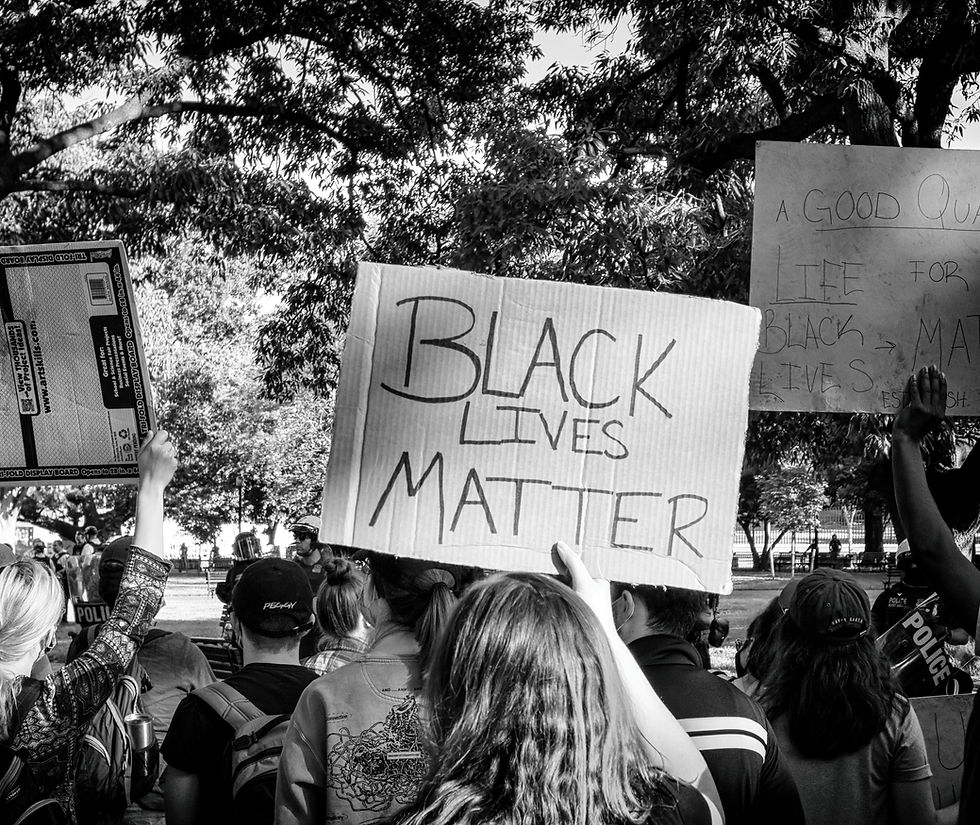
It is not political to be anti-racist. It is not political to recognize Black humanity.
As Tarana Burke said in her new book, You Are Your Best Thing, “I don’t believe your anti-racist work is complete or valid or useful if you haven’t engaged in Black humanity.”
While I can’t fully understand the depth and severity of a racial trauma event like the shooting in Buffalo, I understand how the body reacts to trauma. (If you ever want to know more about the physiological symptoms of trauma, read The Body Keeps The Score by Bessel Van Der Kolk.)
Here are some of the symptoms folks might be experiencing after a racial trauma event which can make it challenging to work:
agitation
irritability
hyper-vigilance
social isolation
anxiety
inability to concentrate
dissociation
loss of interest in activities
guilt
loneliness
insomnia
nightmares
unwanted thoughts
All of these are symptoms of Post Traumatic Stress and PTSD. These are also symptoms of Continuous Traumatic Stress, Complex Post Traumatic Stress Disorder (cPTSD) or what Shawn A. Ginwright describes as Persistent Traumatic Stress Environments (PTSE) in The Blues of Vulnerability as part of You Are Your Best Thing. All of the latter examples may be more accurate to describe how ongoing white supremacist violence affects people of color in our communities.
It may also be helpful to remember remote work is inclusive work.
So a reminder to practice empathy and kindness in light of the blatant attacks on human rights. This is something you can do as an individual or encourage at your place of business. Because we are all human, and we don’t stop being human when we show up to work.
Helpful Links:


Comments